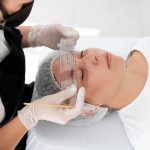
Ethical Considerations in Plastic Surgery and Patient Safety
Ethical Considerations in Plastic Surgery and Patient Safety
Ethics and patient safety are central to modern plastic surgery malaysia, especially as demand for aesthetic and reconstructive procedures continues to grow across the region. Patients today are more informed, cautious and outcome-focused. They expect not only visible results but also transparency, medical accountability and long-term safety. This blog explains the key ethical principles that are applied to the practice within the sphere of plastic surgery, how to make sure that the patient is safe at every level and the necessity to make a responsible decision in case of both surgical and non-surgical interventions.
Understanding Ethics in Plastic Surgery
Ethics in plastic surgery is the set of professional standards that determines the way procedures are prescribed, done and treated. The existence of these principles is with the aim of guarding patients both physically, emotionally and medically.
Core Ethical Principles
Plastic surgeons are supposed to adhere to the set medical ethics, which include:
- Also, at any given time, it is in the best interest of the patient.
- Providing actual data on the advantages, risks and constraints.
- Elimination of unnecessary or undeserved surgeries.
The values also make sure that an appropriate decision in treatment is made, grounded on the clinical need and patient well-being, rather than commercial influence.
Informed Consent and Patient Education
Ethical plastic surgery practices include informed consent. Before consenting to a treatment, patients need to know precisely what a procedure is all about.
What Ethical Consent Includes
Clear communication should cover:
- Expected outcomes and realistic results
- Possible risks, complications and recovery timelines
- Alternative treatment options, including non-surgical approaches
Consent is not a one-time formality. It is an ongoing process that allows patients to ask questions, reconsider decisions and proceed with confidence.
Patient Selection and Psychological Readiness
Not all patients are good candidates for plastic surgery. Any procedure before being recommended should be carefully considered in terms of ethics.
Responsible Patient Evaluation
Surgeons should evaluate:
- Medical history and existing health conditions
- Physical suitability for surgery
- Emotional and psychological readiness
In others, refusing or delaying surgery is the least harmful and most moral choice. This helps to save patients from unnecessary risk and dissatisfaction.
Safety Standards in Surgical Practice
Patient safety is an area that is not transactional within the operating room. It includes pre-operative preparation performance/ post-operative treatment.
Key Safety Measures
High safety standards involve:
- Accredited surgical facilities
- Proper anesthesia management
- Strict infection control protocols
The plans reduce complications and help in the realization of predicted and congruent outcomes of the patients undergoing cosmetic and reconstructive surgeries.
Ethical Use of Non-Surgical Treatments

Aesthetic procedures that do not involve surgery are viewed as having low risks, yet they need to be overseen by a physician.
Medical Responsibility in Aesthetic Care
Procedures related to skin care malaysia must be:
- Covered or directed by the qualified medical personnel.
- According to a precise diagnosis and skin examination.
- Administered using approved products and techniques
Ethical practice avoids overuse of injectables or treatments that may compromise skin health over time.
Post-Procedure Care and Long-Term Responsibility
Ethical care is not limited to after a procedure is done. Patient safety involves follow-up and recovery management.
Importance of Structured Aftercare
The post-treatment care involves:
- Tracking the progress of healing and recovery.
- Treating pain and possible complications.
- Give good instructions after the procedure.
Follow-up is necessary to enhance results and develop long-term trust between the patient and the surgeon.
Managing Complications Ethically

Despite proper planning, complications may arise. Ethical practice is concerned with transparency and intervention in time.
Professional Response to Complications
When issues arise, surgeons must:
- Inform patients promptly and honestly
- Provide appropriate corrective care.
- Refer to specialists when required.
Handling of the wound management Malaysia is an important part of moral accountability, which guarantees the recovery from the complications of the wound in a prompt and safe manner.
Transparency in Marketing and Communication
Marketing and communication transparency in ethical plastic surgery should occur. Responsible medical communication is free of exaggerated before and after assertions, offers results grounded on clinical evidence and distinctly differentiates medical counsel and taste. This candor will help patients have a realistic conception and will help in making informed decisions and in eliminating chances of dissatisfaction or misperception of the treatment after the treatment.
Regulatory Standards and Professional Accountability
The plastic surgeons are also liable to medical boards, professional associations and healthcare regulations.
Why Regulation Matters
Compliance with professional standards ensures:
- Constant training and skills enhancement.
- Observance of new safety measures.
- Clinical decision-making accountability.
Patients take advantage of the practitioners who practice in regulated medical systems.
Ethical Decision-Making in Reconstructive Surgery
Restoration of functions is commonly used to perform reconstructive procedures and not necessarily for appearance.
Finding a middle ground between the Function and the Aesthetic.
The ethical considerations are:
- The physical function and quality of life should be prioritized.
- Minimizing surgical risk
- Setting realistic expectations for recovery
This balance is essential for patient satisfaction and long-term health outcomes.
Conclusion
Plastic surgery cannot practice ethics and safety separately. Informed consent and patient choice regarding the surgery standards and follow-up, all actions must be informed by medical accountability and disclosure. The patients, who learn these principles, are better placed to make responsible and informed decisions about their treatment. Attempt to get professional advice founded on ethical practise and patient safety by approaching Dr. Somasundaram Sathappan.
FAQs
1. Why are ethics important in plastic surgery?
Ethics ensure patient safety, informed consent, and responsible treatment decisions based on medical need rather than commercial pressure.
2. How does informed consent protect patients?
It helps patients understand risks, benefits, alternatives, and recovery expectations before agreeing to any procedure.
3. Are non-surgical aesthetic treatments ethically regulated?
Yes. Ethical practice requires medical supervision, proper diagnosis, and safe use of approved products.
4. What role does post-procedure care play in patient safety?
Follow-up care helps identify complications early, supports healing, and improves overall treatment outcomes.