Fat Transfer Procedures: Uses, Benefits & Safety
Proper bookkeeping is one of the most potent tools of reduced tax risks in Malaysia. It introduces transparency, helps in compliance, and protects businesses in case of audit and review. Regular records, timely updates and good controls transform tax compliance into a process instead of an issue. To provide organisations with strong financial discipline to assist in transparency, compliance and informed growth, Venovox assists businesses to achieve long-term stability and regulated confidence.
What Is Fat Transfer?
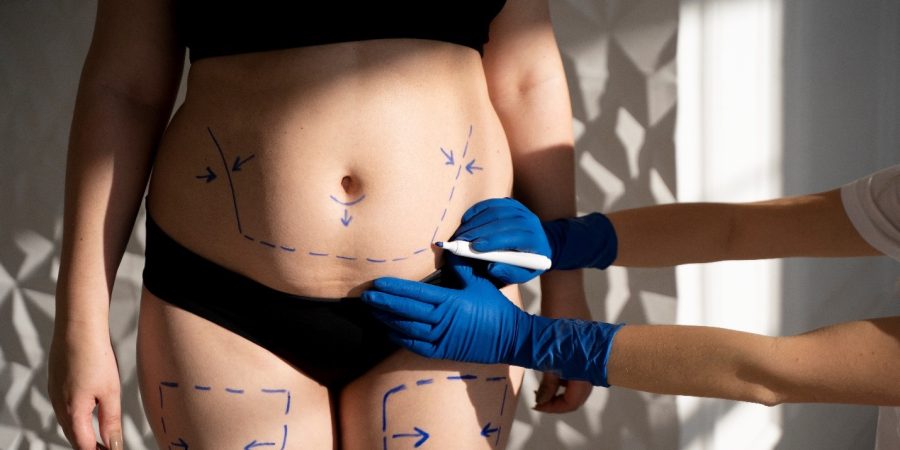
Fat transfer or fat grafting is a cosmetic surgery whereby the fat is harvested in one part of the body and injected into other parts. Abdomen, thighs or flanks are the common sites of donors.
The process typically involves:
- Liposuction Malaysia Removing fat from target areas
- Purifying and processing the fat to isolate healthy cells
- Injecting the fat into areas requiring volume enhancement
Because it uses the patient’s own tissue, the risk of allergic reactions is minimal. It is also versatile, applicable to facial, breast, and buttock enhancements.
Common Uses of Fat Transfer
Fat transfer is not just about aesthetics. Its applications include:
- Facial rejuvenation: Restoring volume lost with age, enhancing cheeks or under-eye areas
- Body contouring: Smoothing depressions or irregularities after liposuction or weight loss
- Breast enhancement: Increasing volume subtly without implants
- Buttock shaping: Creating curves naturally through fat grafting
To beautify the look of the donor and recipient region, patients are likely to resort to fat transfer as part of other operations, including liposuction.
Key Benefits of Fat Transfer
Fat transfer has several advantages over traditional fillers or implants:
- Natural results: Because the tissue is your own, it integrates well with surrounding structures
- Long-lasting: Surviving fat cells can remain permanently, unlike temporary fillers
- Dual effect: Donor areas improve in contour while the recipient area gains volume
- Minimal rejection risk: Using your own fat reduces allergic reactions or complications
- Versatility: Can treat multiple areas in a single session
These benefits make fat transfer a preferred option for patients seeking subtle, natural enhancements.
Safety Considerations
While fat transfer is generally safe, choosing a qualified clinic and surgeon is critical. Considerations include:
- Sterile environment: Lowers the risk of infection.
- Skilled surgeon: In charge of adequate fat collection and grafting.
- Patient well-being: Some states can impair eligibility.
- Post-procedure treatment: Using the post-procedure guidelines enhances better outcomes and minimises complications.
Light pain, haemorrhage or momentary swelling is normal. Seldom do individuals get serious complications when doctors, who are certified, perform procedures.
Recovery and Aftercare
Recovery varies depending on the areas treated and the volume of fat transferred. Typical guidance includes:
- Avoiding strenuous activity for a few weeks
- Wearing compression garments is recommended
- Keeping the treated area clean and protected
- Attending follow-up appointments to monitor fat survival and healing
Some of the transferred fat may not survive initially, which is normal. Touch-ups may be recommended for optimal volume retention.
Real-World Considerations
Patients often combine fat transfer with liposuction Malaysia to improve both donor and recipient areas. An instance is the removal of unwanted fat in the stomach and using it on the face to revitalise it, which would be an added advantage.
Selecting a clinic with expertise in fat transfer Malaysia ensures that the procedure is performed safely, and results meet realistic expectations. Transparent consultations, photographic records, and clear recovery instructions improve patient satisfaction significantly.
Conclusion
Fat transfer provides natural, long-term and multi-purpose cosmetic enhancement choices. It does more than just rejuvenate volume and contours in addition to utilising your own tissue, and this aspect assists in eliminating dangers that come with synthetic fillers. Professional advice, proper technique, and after-care are the keys to the best results of such a procedure, to which every person who thinks about this procedure should pay attention. Dr. Somasundaram Sathappan is a Malaysian-based company that offers professional fat transfer services to its clients with regard to safety, accuracy and individualisation of the outcome per patient.
Frequently Asked Questions
1. What is fat transfer, and how does it work?
Fat transfer, also called fat grafting, involves removing fat from one area of the body using liposuction Malaysia and injecting it into another area that needs volume. The process uses your own fat cells, which are purified before being carefully injected into the target area for natural-looking results.
2. Which areas of the body can be enhanced with fat transfer?
Common areas include the face, cheeks, under-eye regions, breasts, and buttocks. It can also be used to correct irregularities or depressions after liposuction or weight loss. The procedure provides subtle, natural enhancement without implants or synthetic fillers.
3. Is fat transfer safe and long-lasting?
Fat transfer is generally safe when performed by a qualified surgeon. Because it uses your own tissue, allergic reactions are rare. Surviving fat cells can last for years, although some resorption is normal. Proper post-procedure care improves longevity.
4. How does fat transfer differ from traditional fillers or implants?
Unlike fillers, fat transfer uses your body’s tissue, creating natural results. It also improves donor areas while enhancing target areas. Compared to implants, it avoids foreign materials and integrates seamlessly with surrounding tissues, reducing risks and producing more authentic contours.