


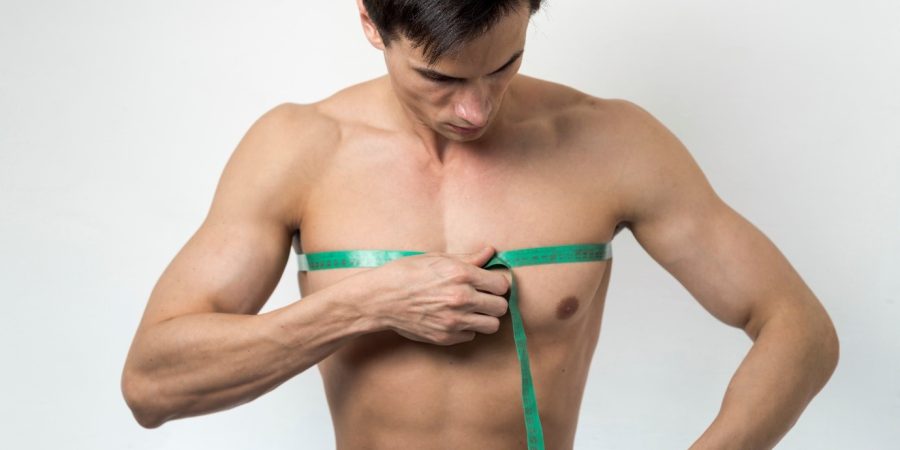
Male Breast Reduction: Restoring Confidence Through Gynecomastia Treatment
Widened male breast tissue, medically referred to as gynecomastia, is a common condition that can disconcert fellows of all generations. It may result from hormonal inequality, weight fluctuations, medications or hereditary factors. For numerous patients, lifestyle modifications alone are not sufficient to resolve the issue. Male breast reduction Malaysia offers a reliable, medically verified explanation to remove extra epithelial tissue and fat, rejuvenating a slimmer and more masculine chest contour. This blog describes the condition, treatment options, expectations of comeback and importance of professional surgical treatment.
What Is Gynecomastia?
Gynecomastia is the augmentation of male breast tissue provoked by an imbalance between estrogenic and testosterone. It is not at all related to spare fat and cannot always be corrected through exercise or dieting.
Common causes include:
- Hormonal shifts during puberty or the majority
- Certain prescriptions or supplements
- Weight gain followed by fat redistribution
- Underlying medical conditions
A formal clinical evaluation is essential to determine whether the state is glandular, fatty, or a combination of both.
What a Male Breast Reduction Works
Male breast drop surgery is designed to remove excess tissue and reshape the chest for a natural formation. Depending on the diagnosis, therapy may entail liposuction, gland excision or a combination of both.

Key aspects of the procedure:
- Performed under local anaesthesia with sedation or general aesthesia
- Small, discreet incisions for minimal scarring
- Tailored approach based on chest anatomy and tissue type
The goal is not only size reduction but also improved chest definition and symmetry.
Who Is a Suitable Candidate?
Men considering breast reduction Malaysia for gynecomastia may be suitable candidates if they:
- Have persistent breast enlargement despite weight control
- Experience discomfort, tenderness, or self-consciousness
- Are in good general health
- Have a stable body weight
A detailed consultation ensures expectations are realistic and outcomes are aligned with the patient’s anatomy.
Recovery and Results
Recovery after male breast reduction is generally straightforward when post-operative guidelines are followed.
What to expect:
- Mild swelling and bruising for the first 1–2 weeks
- Compression garment is worn to support healing
- Return to desk work within a few days
- Avoid heavy exercise for approximately 3–4 weeks
End outcomes are easily observable due to the reduction of swelling and the long-term outcomes of the chest outline and hardness.

Benefits of Professional Gynecomastia Treatment
Choosing surgical correction under experienced care provides measurable benefits:
- Permanent removal of excess glandular tissue
- Improved chest shape and proportional appearance
- Increased comfort during physical activity
- Enhanced confidence in fitted clothing
When performed correctly, results appear natural and balanced, without an over-corrected look.
Why Malaysia Is a Preferred Treatment Destination
Malaysia is recognised for proposing advanced plastic surgery services advocated by experienced specialists and modern facilities. Patients receive help from structured consultation processes, clear treatment planning and internationally accepted safety standards. This makes male breast reduction Malaysia a practical choice for both local patients and international visitors seeking effective, evidence-based care.
Conclusion
Gynecomastia is a treatable medical condition, and male breast reduction reloads as a long-term solution when traditional tactics are unusable. With accurate diagnosis, suitable surgical planning and professional aftercare, patients can achieve a dulled, additionally described chest with lasting results. For expert evaluation and personalised restorative planning, consult Dr. Somasundaram Sathappan.
FAQs
1. Is male breast reduction permanent?
Ans: Yes. Once supplementary glandular tissue is removed, derivatives are long-lasting and body poundage and hormone levels persist.
2. Is gynecomastia caused by being overweight?
Ans: Not always. Gynecomastia can be glandular, fatty or diverse. A clinical judgment is demanded to determine the reason.
3. How long does the surgery take?
Ans: Most procedures are ended within 1–2 hours, pivoting on complexity.
4. Will there be visible scars after surgery?
Ans: Incisions are smallish and strategically placed. Scars typically fade over time with appropriate care.

